





If you are new to climbing, it’s easy to assume that climbing is just about pulling yourself upward using raw strength. In reality, bouldering is a masterful game of body geometry.
To help you decode the gym floor and start moving with efficiency, this guide breaks down the core movement styles you will see at Shift Climbing, along with a foundational glossary of the fundamental techniques you can start using on your very first day.
The Two Core Pillars of Climbing Style
Every climb ( or "problem") demands a unique physical approach. Most climbing movements fall into one of two overarching styles. Understanding when to use which style is the secret to conserving your energy and conquering harder climbs.
1. Static Movement
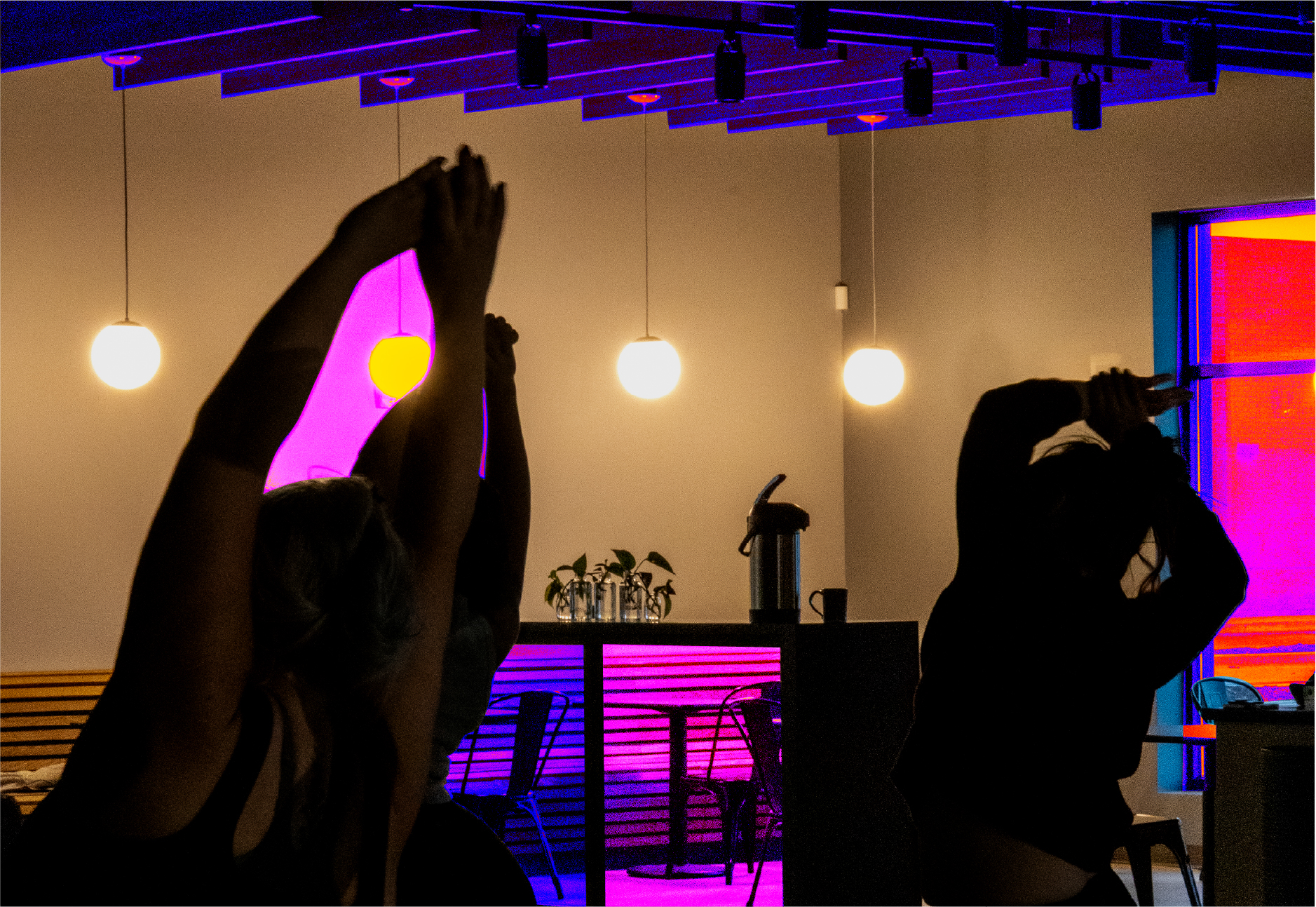
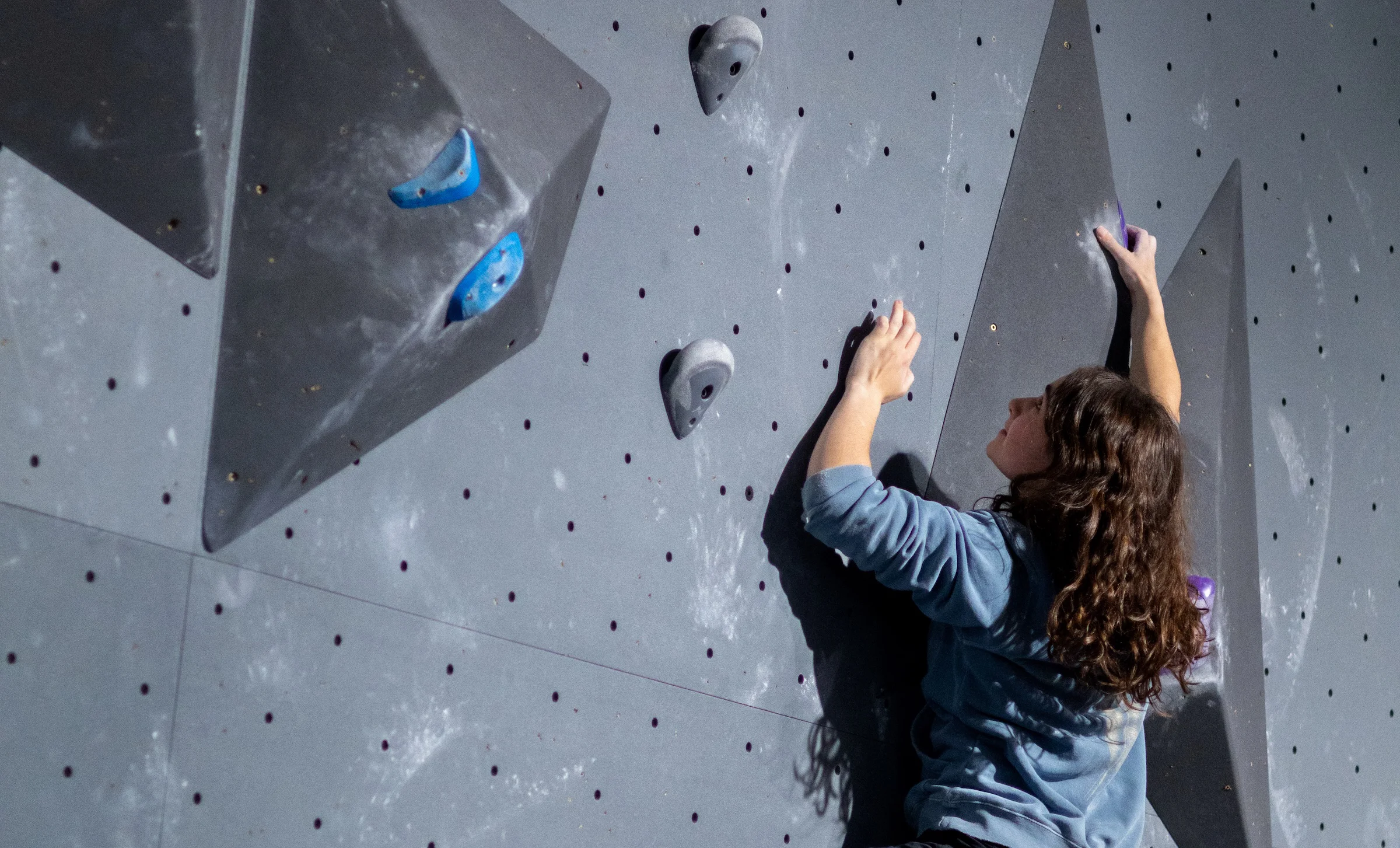
- What it looks like: Slow, controlled, and fluid. The climber looks completely stable, moving like a yoga practitioner on a vertical plane.
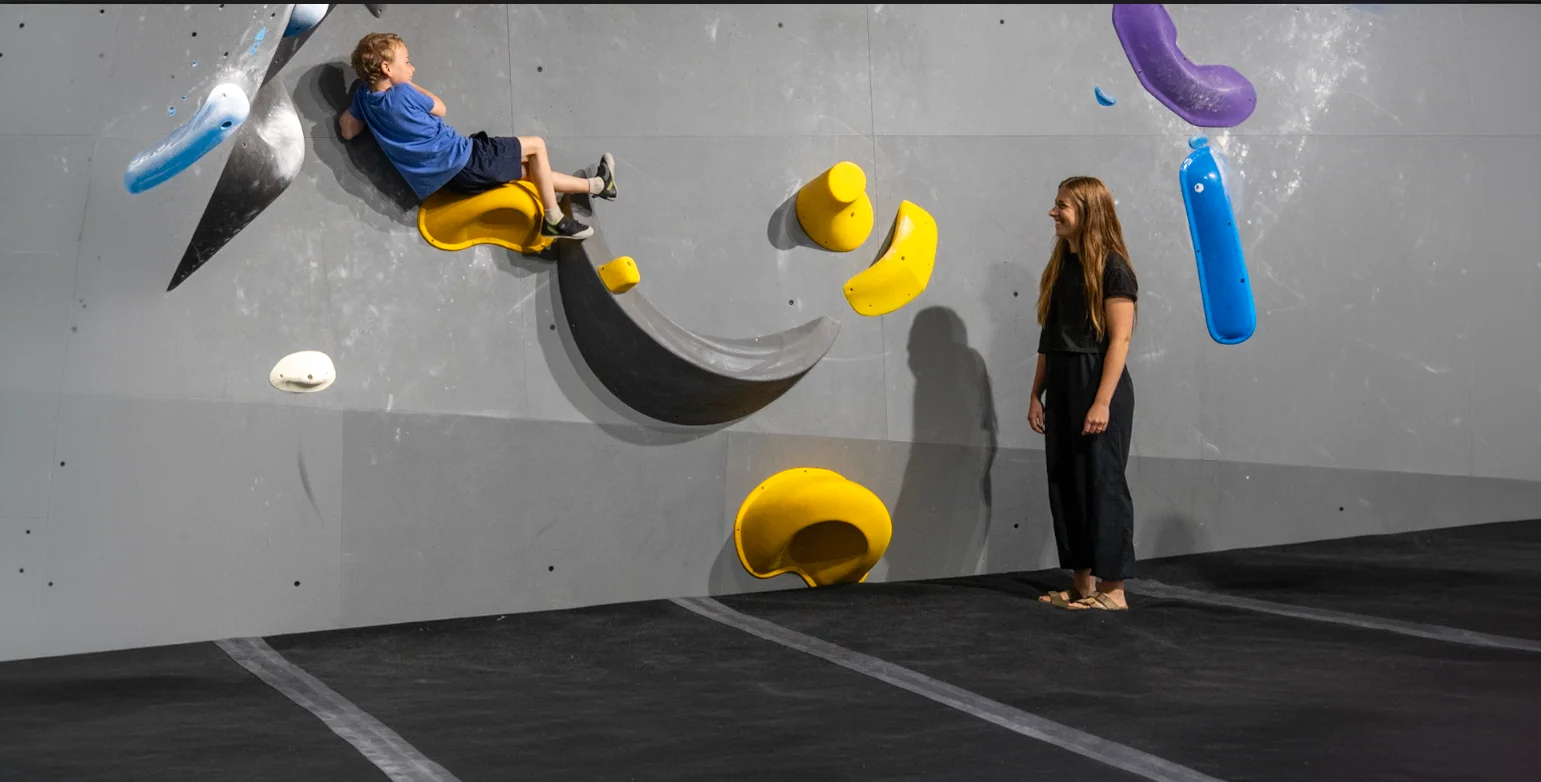
- The Physics: This style is all about static control. You are keeping your center of mass perfectly balanced over your feet, moving one limb at a time while keeping three points of contact on the wall.
2. Dynamic Movement
- What it looks like: Explosive, athletic, and airborne. The climber uses a big, sweeping motion to generate upward or sideways momentum, sometimes letting their feet swing completely off the wall.
- The Physics: Dynamic climbing uses force generation from the hips and legs to launch the body toward a distant target. Instead of fighting gravity at every millimeter, you use momentum to make a hold feel weightless for a split second.
Put It into Practice in a Climbing Gym
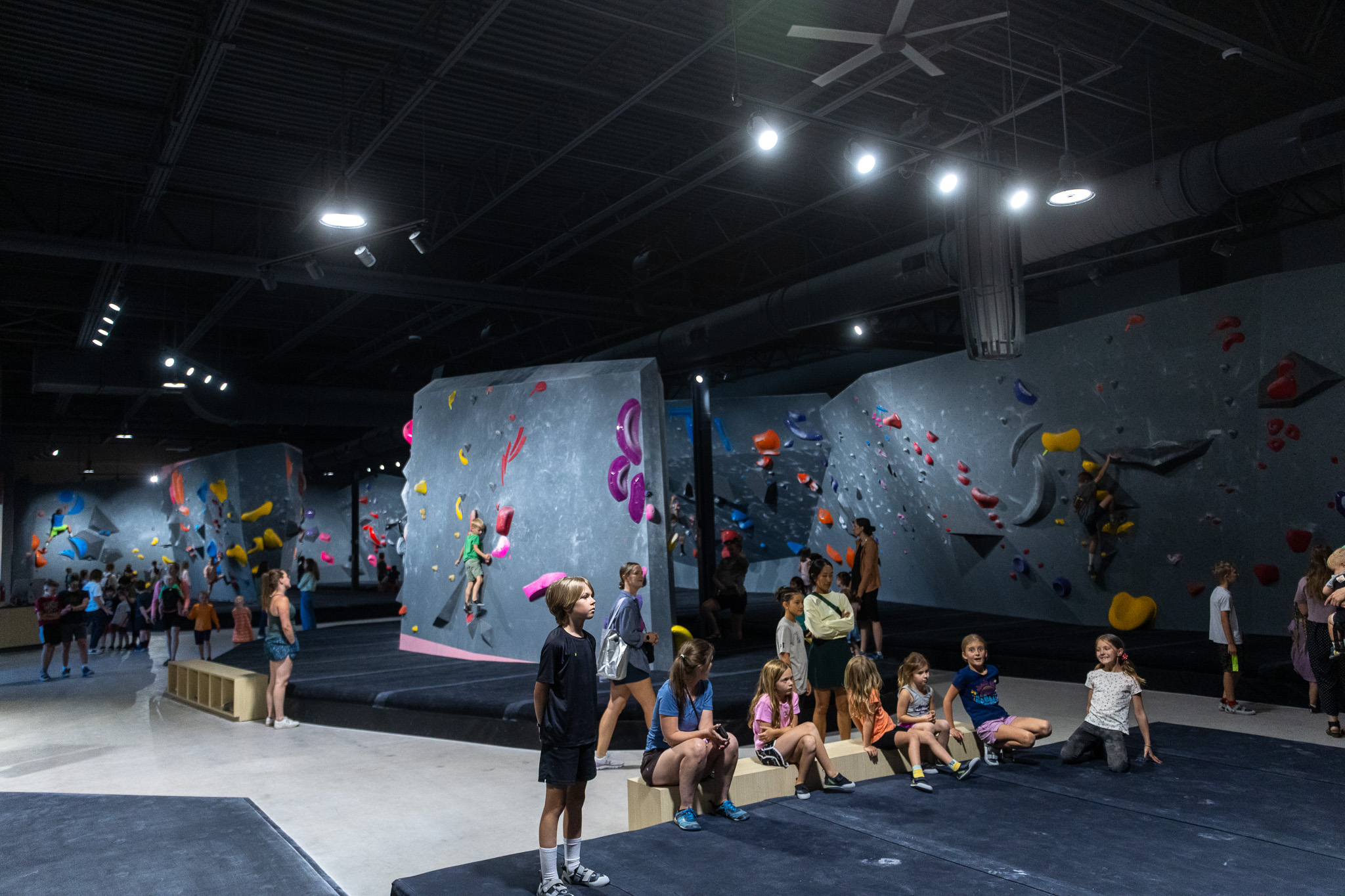
Bouldering is an independent sport where you execute the movement yourself, but it is highly community dependent. The best way to learn these styles isn’t by reading about them—it’s by collaborating with other climbers on the floor.
When you are resting between burns at Shift, look around. Talk to the person next to you about how they executed a specific move, experiment, and don't be afraid to try with both static and dynamic styles to see what feels natural for your body.
Need a live demonstration or a quick tip on how to make a smear stick, ask one of our staff members! They’d be happy to walk you through it!
