




We hear a specific confession at the front desk a lot: "I've been paying for a gym I haven't been to since March." Usually it's said by someone holding a day pass, half-hoping we'll tell them climbing counts as a workout so they can cancel the other membership in good conscience. The honest answer is that for most people it does count, and for some people it doesn't cover everything, and the difference is worth ten minutes of your time before you cancel anything.
Is climbing a good workout?
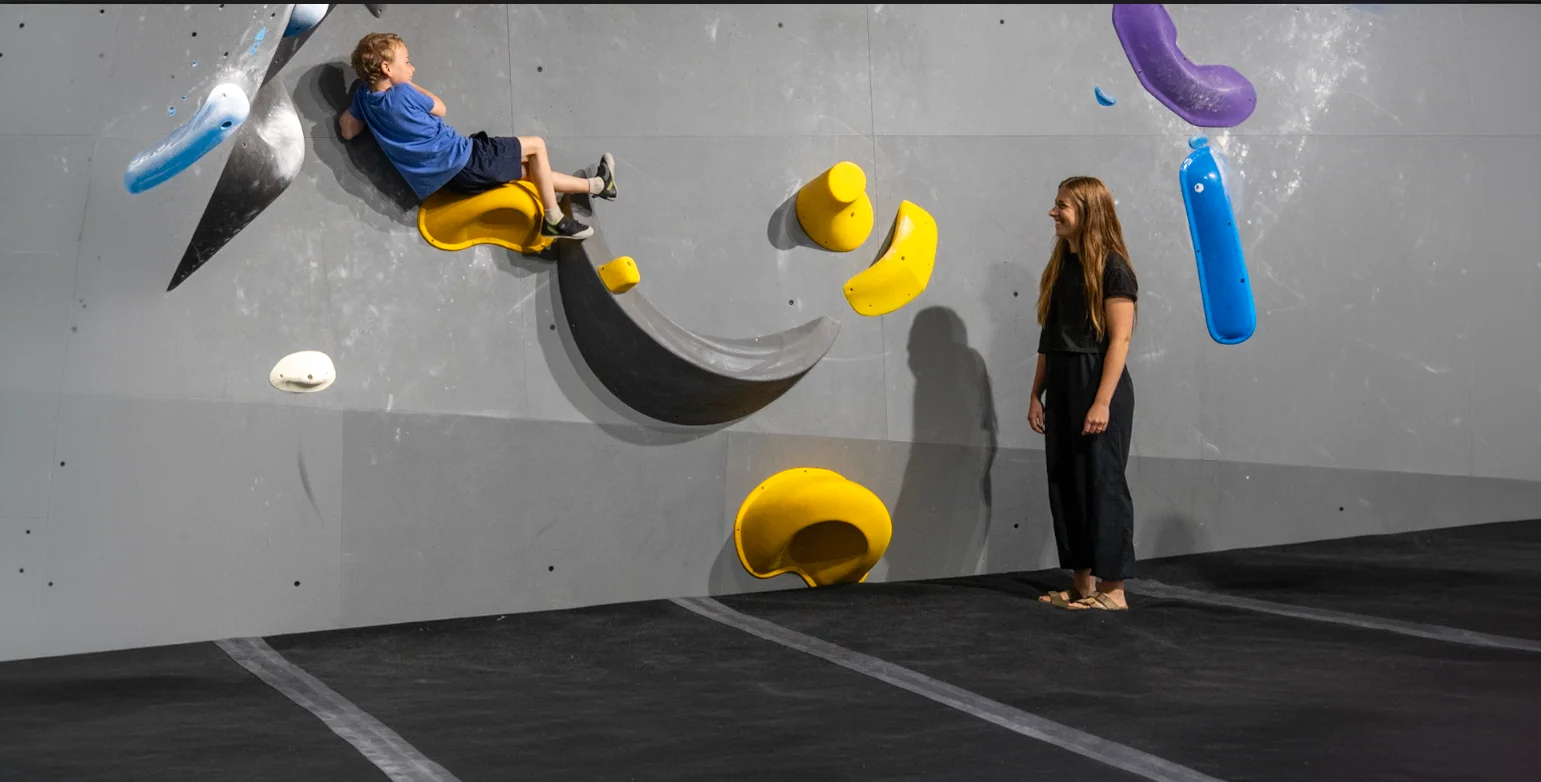
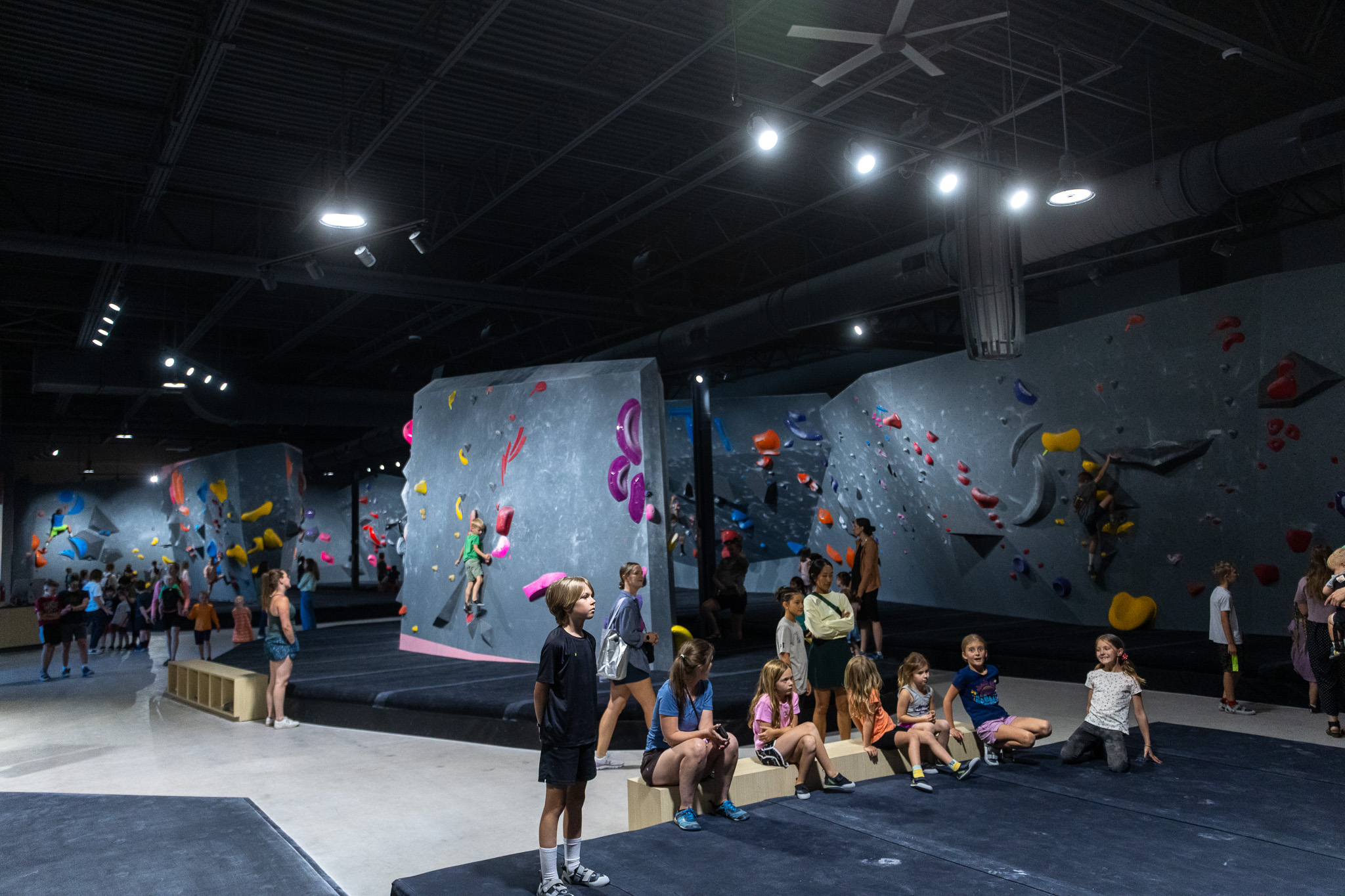
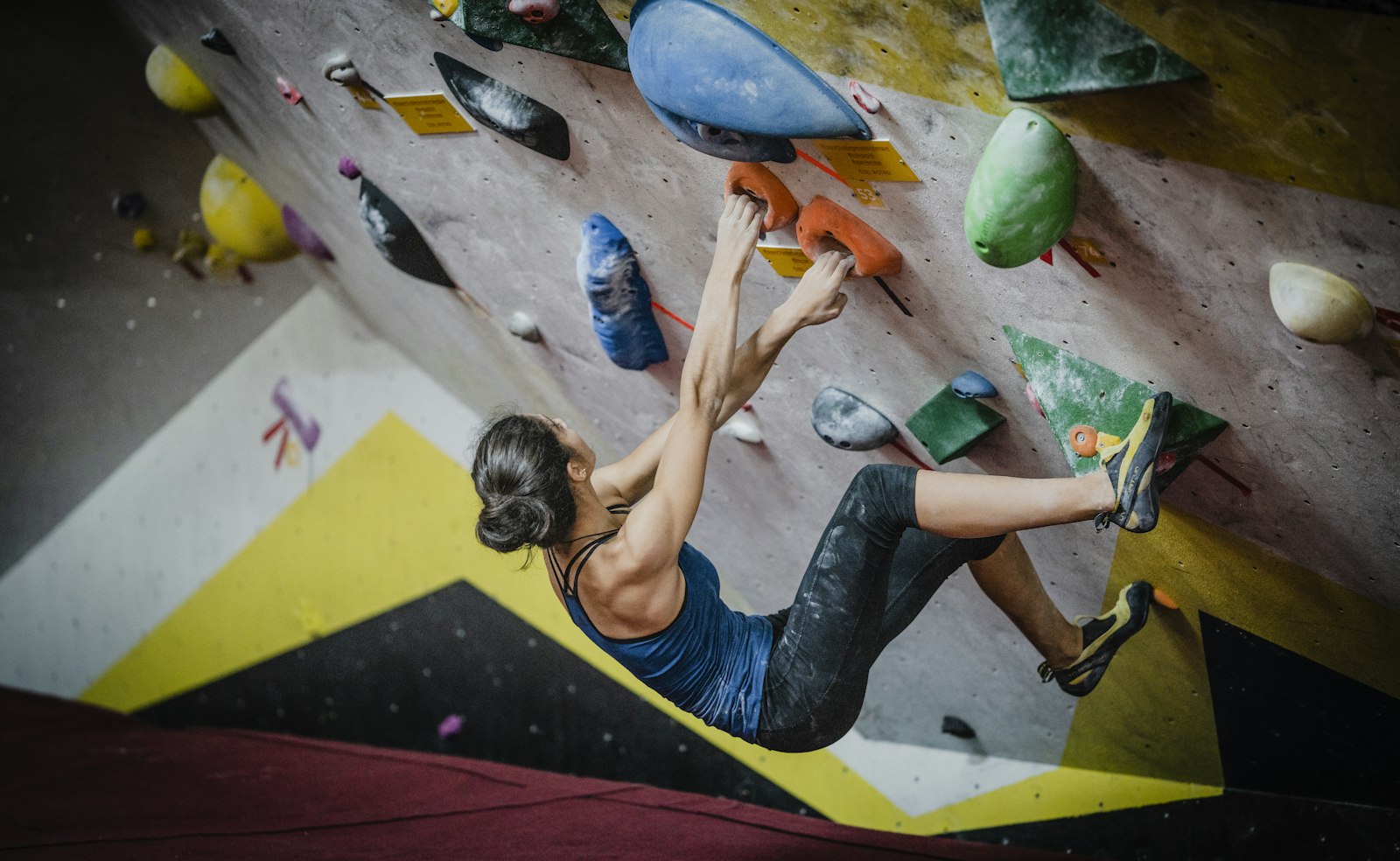
Yes, and a more complete one than people expect. Bouldering, the kind of climbing we do at Shift, means short walls (ours top out at 16 to 17 feet), no ropes, and climbs that are a few hard moves long, which makes a session feel like a series of full-body sets rather than a long slog. Every climb loads your forearms and hands (obviously), your back and shoulders (pulling), your core (keeping your hips into the wall), and your legs and hips (which, done well, do most of the work). On our steep wall, the 61.4-foot-wide overhang that runs from 45 to 60 degrees, the whole body is working at once just to stay on.
For a reference point, the CDC's guidance for adults calls for 150 minutes of moderate-intensity activity a week (or 75 vigorous), plus muscle-strengthening activity on at least two days that works all the major muscle groups: legs, hips, back, abdomen, chest, shoulders, and arms. We're a climbing gym, not a lab, so we won't put a number on what a session burns, but we'll say this plainly: three bouldering sessions a week is muscle-strengthening work on every group in that list, several times over, and the kind of effort that leaves you tired in the good way rather than bored-tired.
One of our members came back to climbing after her fourth baby specifically to get strong again. Her report after a season on our steep wall: "I actually feel like I'm even stronger now than I was eight years ago." That's the kind of result we hear often enough that we've stopped being surprised by it.
Climbing gym vs. regular gym: what you give up and what you get
The fair comparison isn't "which is better." It's what changes when the workout is a puzzle instead of a program.
What you give up. Rows of cardio machines, a full circuit of resistance machines, and the ability to zone out with headphones for forty-five minutes and call it done. If your routine is built on a treadmill, a lap pool, or a specific machine, a climbing gym won't replace that piece, and we'd rather say so than pretend.
What you get. A workout you'll keep showing up for. Every climb is a problem with a clear finish, and the climbs change weekly because our setting crew strips and resets sections on a weekly cycle, so the gym you visit this week is not quite the gym you visited last week. There's no program to follow and no counting reps; the "program" is the next climb in your color, then the next color. Our climbs are sorted into color circuits (groups of climbs by hold color, easiest colors first), with 8 to 10 climbs in each of our four most accessible colors at all times, so a first-timer has 30 or more climbs to work through on day one and a clear path after that.
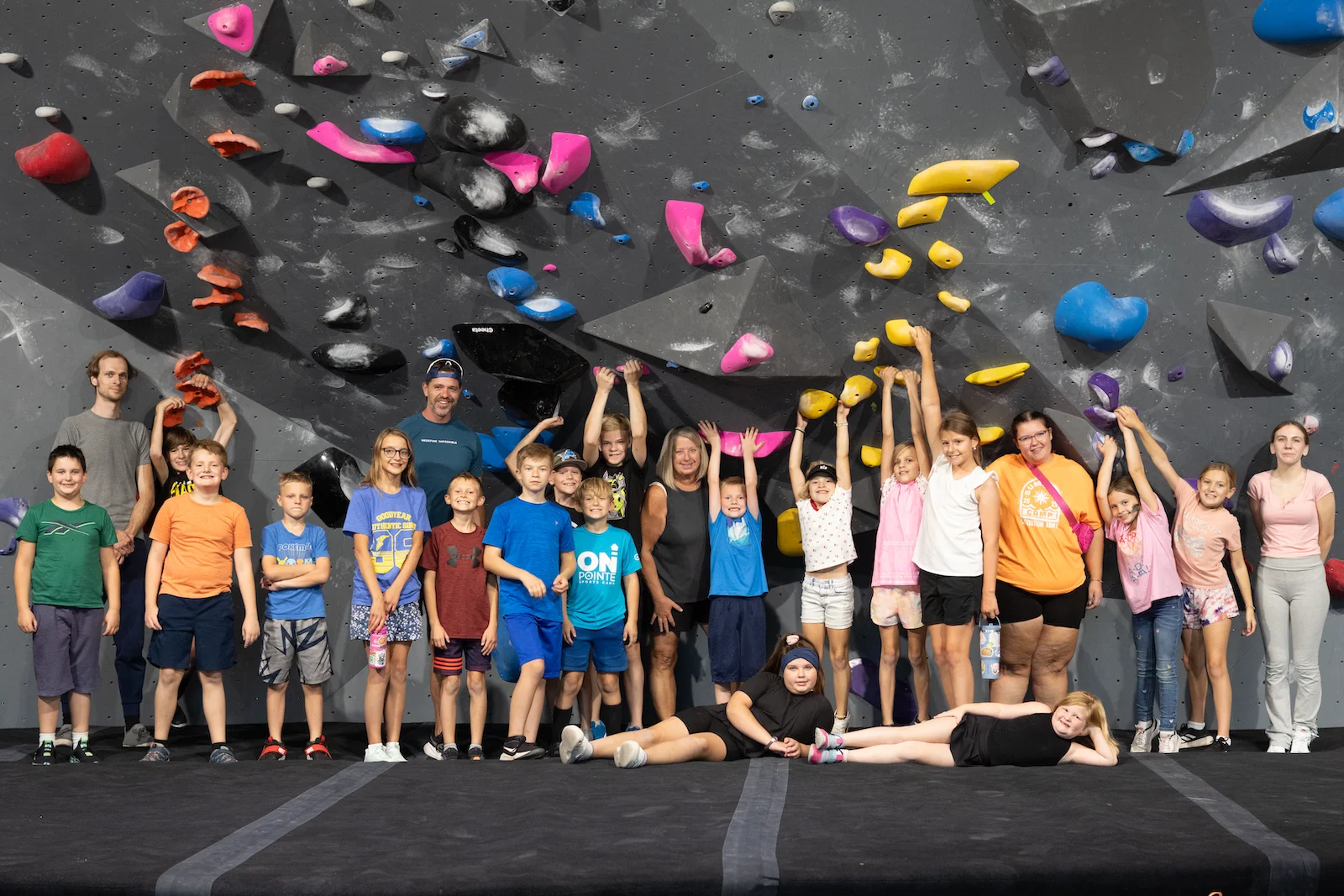
You also get the part a conventional gym can't sell you: people. Bouldering happens at ground level, on shared mats, and the normal social unit is a few strangers trading ideas about the same climb. One member who'd tried gyms across Michigan and beyond told us most places have "a bit of a wall" for newcomers and that we'd "made a very welcoming door in that wall." Another, a former martial artist, described the mental side: "Climbing forces you to be intentional with your movement, intentional with the amount of effort you put in." Nobody says that about a leg press.
Everything included in a Shift membership
Since "can I cancel the other one" is really a question about what's included, here's the full list for a Full membership, which is $69 a month.
- Unlimited climbing on 5,274 square feet of fixed climbing surface (over 6,500 square feet of effective terrain, because our hydraulic boulder tilts to vertical and 13 degrees each way and is set to be climbed in all three positions), inside a 12,250-square-foot, fully air conditioned facility.
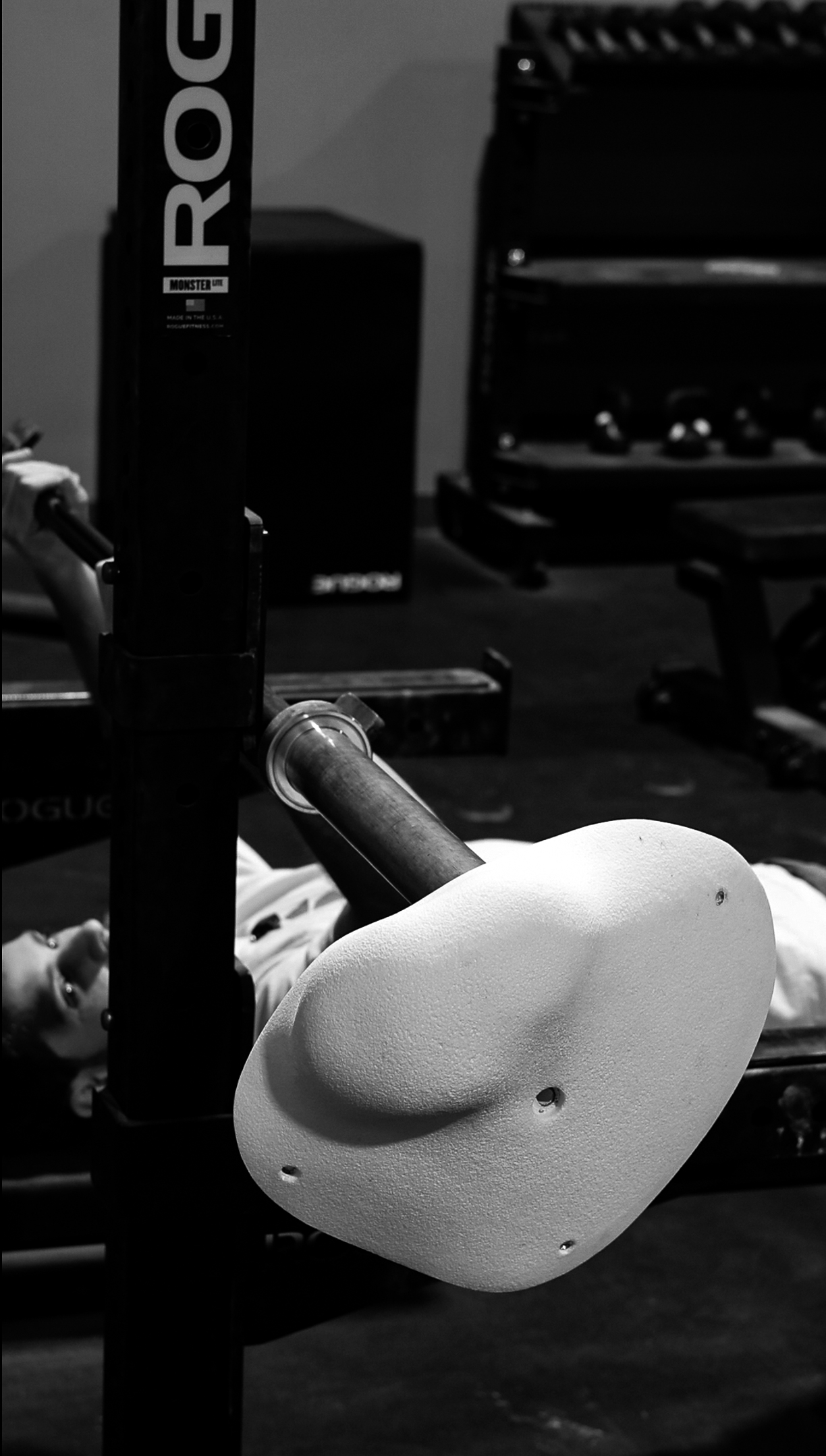
- The training area: a Rogue strength and fitness setup, a hangboard station, and a Tension Board 2, the standardized adjustable-angle training wall with an app full of benchmarked problems, so strength work and measurable progress are both in the building.
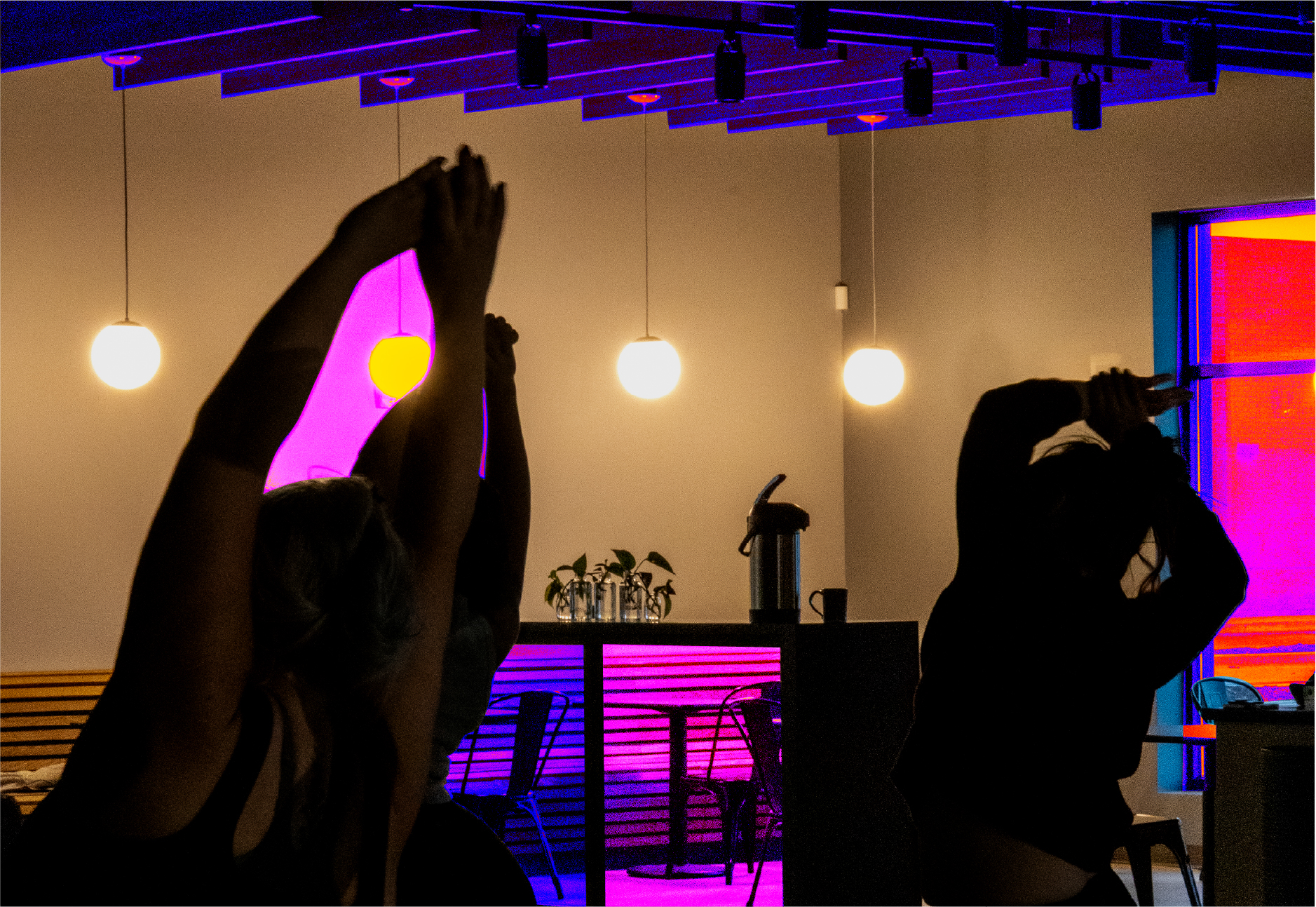
- Sunday yoga, free for members. Our 9 AM Sunday class, led by certified instructor Tessa Tresslar, is built for beginners and aimed at the tightness climbers collect in shoulders, hips, and forearms. Non-members pay a standard day pass.
- Skills Sessions, included at no charge. These are small-group coaching labs run by our setting and coaching staff for climbers stuck on a color; the kind of instruction most gyms charge $60 to $100 an hour extra for is $0 with your entry here.
- The café and co-working space, with locally sourced coffee, kombucha on tap, and wifi.
- Free shoe and chalk rental every visit, one free guest pass every month, and member discounts on events.
- Hours that fit a life: open seven days, until 10 PM Monday through Friday, and open at 6 AM on Tuesdays and Thursdays for the before-work crowd.
A day pass, if you want to try it first, is $24 and includes all of the above for the day.
Bored of the gym: why climbing tends to stick
The reason people stop going to a conventional gym is rarely that it stopped working. It's that it stopped being interesting, and willpower is a bad long-term plan. Climbing solves the boredom problem structurally rather than motivationally. The walls change every week. Progress is visible and specific (you either finished the orange one by the window or you didn't, and next week you might). And the social side does the scheduling for you: once a few regulars know your name, "I should go" turns into "they'll wonder where I am."
One of our members works 12-hour shifts and comes in afterward. "When I come in here and I'm tired, it's a great way to end my night. It lights up what was bad in that day." He also said, "I can't stop coming back. Even if I tried, I'll always come back." We've never had anyone say that about a stationary bike.
There's also a goal built into the sport that most fitness routines lack. Finishing every climb in a color is called "circuiting," and it's one of the most satisfying things you can chase in climbing. It's available from your first month, it takes exactly as long as it takes, and when you do it, everyone on the mats knows.
A training week at a climbing gym
For someone switching from a conventional gym, here's what a normal week looks like among our members, with the caveat that this is what people do, not a prescription.
- Two or three climbing sessions of about an hour to ninety minutes, working through your circuit color. New climbers should keep it to two or three; forearms and finger tendons take longer to adapt than the bigger muscles, and the fastest way to lose a month is to climb five days in your first week.
- One strength session in the training area (the Rogue setup and hangboard) or on the Tension Board 2 for climbers who've been at it a few months. Beginners don't need the board at all yet; the circuits are the training.
- Sunday yoga for the shoulders and hips, which is free for members and the single best recovery habit we offer.
- A Skills Session whenever you're stuck. They're included, so there's no reason to stay stuck.
Our Circuit Labs nights add a group-challenge element for anyone who liked having a class to show up for.
A bridge to climbing outside
One more thing a conventional gym can't offer, and that we build in on purpose: a path outdoors. Shift is designed to create climbers, not just gym-goers, and the circuit system is the mechanism. Because each color runs through every kind of terrain in the building (slab, vertical, corners, the tilting boulder, the steep wall), and because our routesetting team resets sections every week, working through a circuit teaches real movement fundamentals rather than one wall's tricks: footwork, hip position, body tension, reading a sequence, committing to a move. Those are the same skills that outdoor bouldering and roped climbing ask for, and they transfer directly, which is exactly why we build the circuits that way.
If you never intend to climb outside, none of that costs you anything. You still get well-rounded, varied skill development from the circuit variety, and you'll be a better climber in year two than year one without ever touching rock. If you do get curious about climbing outdoors (and a lot of our members do, usually about a year in, often talked into it by someone on the mats), you'll find that what you learned here holds up on real stone. Ask any of our staff about it; several of them climb outside every chance they get and are happy to point you toward a first trip.
Reasons to keep your regular gym
We'd rather lose the sale than sell it wrong. Keep the conventional membership if your routine depends on a lap pool, a long treadmill or bike session, or a specific machine your physical therapist prescribed. Keep it if you're training for a running or cycling event; climbing is a poor substitute for the specific endurance those need. And if you're a dedicated barbell lifter with a program that needs a full rack setup and long sessions, come try our training area before you decide; it's a real Rogue setup, but you should see it and judge for yourself rather than take our word.
For everyone else, which in our experience is most of the "haven't been since March" crowd, a climbing membership tends to replace the old one and then some, because the workout shows up on its own. In Holland, the Aquatic Center covers the water side well, and plenty of our members hold both.
Getting started if you've never climbed
You don't need to be strong to start, and you don't need to be in shape. Our four most accessible circuit colors exist so that a first session is 30 or more climbs you can finish, not one you can't. Shoes and chalk are free. Nobody needs a partner, because bouldering has no rope to hold. If you'd like a structured start, our Intro to Shift class is a 60-minute session for absolute beginners covering how to move, how to come off the wall, and how the gym flows. Otherwise, sign the waiver online, wear something stretchy, and come session with us.
Two members who came back after a serious finger injury described the gym as "super approachable, but then there's also variety in those colors," and said our setters are "always trying to train us on a new skill on each different circuit." That's the design. The gym is built to be a workout for year three the same way it was fun on day one.
Questions people ask before switching
Is bouldering enough exercise on its own?
For strength, yes: it works every major muscle group the CDC lists, and three sessions a week is muscle-strengthening work several times over. For long steady cardio (running, swimming, cycling), it isn't a substitute, and we say so.
Do I need to be strong or fit to start climbing?
No. Our four most accessible circuit colors hold 30 or more climbs a first-timer can finish, and good climbing is mostly legs, hips, and balance. Strength comes from climbing, not before it.
Does a Shift membership include a weight room?
It includes our training area: a Rogue strength and fitness setup, a hangboard station, and a Tension Board 2. Come see it on a $24 day pass before you cancel anything elsewhere.
Is yoga included in the membership?
Yes. Sunday 9 AM yoga with certified instructor Tessa Tresslar is free for members; non-members pay a standard day pass.
Is coaching extra?
No. Skills Sessions, our small-group coaching labs, are included with your entry at no charge. Private instruction is available separately.
How much is a climbing gym membership in Holland, Michigan?
A Full membership at Shift is $69 a month, with free shoe and chalk rental every visit and one free guest pass a month. Dual, youth, family, and student group plans are on the passes page.
